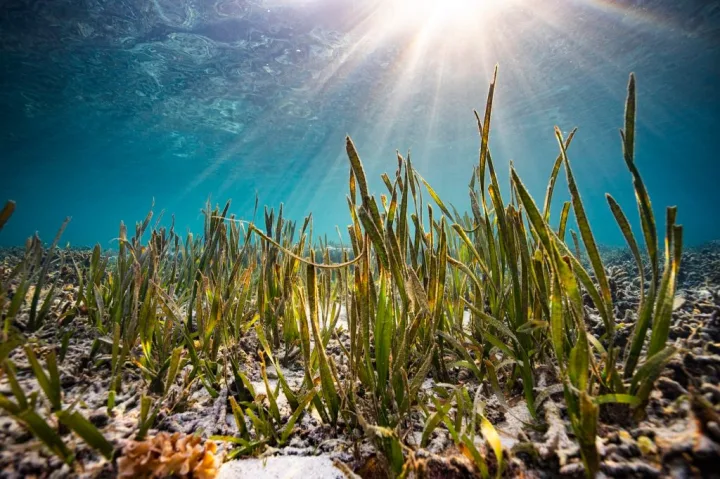
"Seagrasses are marvellous coastal ecosystems that provide a range of critical ecosystem functions and services, including climate regulation and fisheries production, however they are under threat."
Stories of science from the Australian Rivers Institute
"Seagrasses are marvellous coastal ecosystems that provide a range of critical ecosystem functions and services, including climate regulation and fisheries production, however they are under threat."

"By altering the environment, are humans tricking animals into making poor life choices?"

"Seagrasses are flowering plants that live submerged in salty water and perform vital ecosystem services that help us and the food-webs that rely on them. For example, seagrasses capture and store more atmospheric carbon (per unit area) than many terrestrial plants, they act as nursery areas for important fishery species, and provide coastal protection against things like erosion and storm surges," Dr Ryan Pearson.

By PhD candidate Ellen Ditria, Reading Time: 452 words, about 2 minutes. Fish IDing Sample. Photo: Global Wetlands Project. Deep learning has fast become recognised as a powerful data processing tool for ecologists faced with vast amounts of image-based data. The ability of deep learning to accurately detect target species in videos and images unlocks [...]

By Dr Mischa Turschwell Read Time: 342 words about 2 minutes. Mangrove forest conservation is increasingly attracting international interest. That’s because mangroves support incredible biodiversity, enhance fisheries, protect vulnerable coastal communities from storms, and reduce climate change by storing carbon. Lone Mangrove Sunset. Photo: Unknown. Unfortunately, mangrove forests remain one of the worlds most threatened ecosystems. Pressures from forest fragmentation, climate change, increasing exploitation [...]

Australian Rivers Institute Director, Stuart Bunn. We welcome you back to another edition of the Australian RiversInstitute (ARI) Magazine. (Link). Over the past few months our staff have been active in strengthening research partnerships and establishing new connections across the globe. The importance of connections, not only with fellow researchers, industry and government but also [...]

By Dr Ryan Pearson Techniques for tracking marine animals and objects have long been evolving; gaining in accuracy and reliability. However, most techniques rely on accessing an animal prior to tracking and few techniques are capable of retracing historical movements. Along with conservation efforts for threatened species, marine tragedies (where vehicles disappear in the ocean) [...]
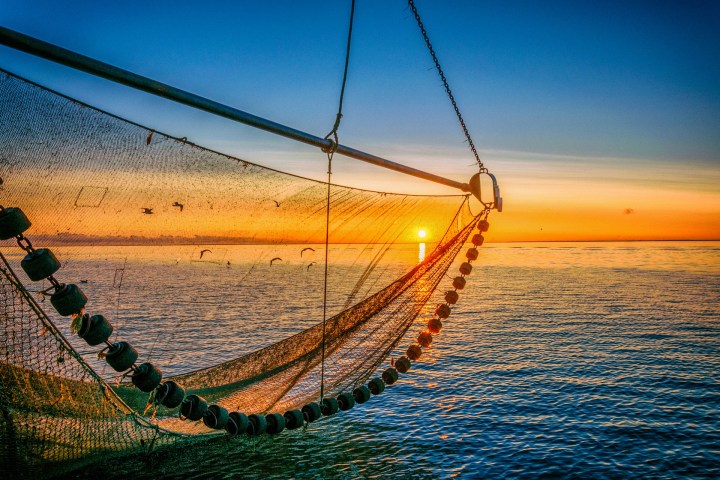
"We found that prawns collected closer to shore had higher concentrations of potential pollutants" says Dr Munroe

“Metal toxicokinetics and toxicodynamics in developing anurans: how metamorphosis influences metal burdens”
 Catchment to Coast