The Great Isoscape: Using barnacles to retrace oceanic movements

The Great Isoscape: Using barnacles to retrace oceanic movements

By Dr Ryan Pearson Techniques for tracking marine animals and objects have long been evolving; gaining in accuracy and reliability. However, most techniques rely on accessing an animal prior to tracking and few techniques are capable of retracing historical movements. Along with conservation efforts for threatened species, marine tragedies (where vehicles disappear in the ocean) [...]

EFFECTIVE ACTION NEEDS ACCESSIBLE SCIENCE

EFFECTIVE ACTION NEEDS ACCESSIBLE SCIENCE

  By Dr Chris Brown Coastal wetlands are globally threatened. However, the plight of these habitats, like mangrove forests, seagrass meadows and saltmarshes, is not well recognised relative to other coastal ecosystems, such as coral reefs. This translates into funding shortfalls both for the science needed to address coastal wetland decline and for the protection and [...]

From sharks in seagrass to manatees in mangroves, we’ve found large marine species in some surprising places

From sharks in seagrass to manatees in mangroves, we’ve found large marine species in some surprising places

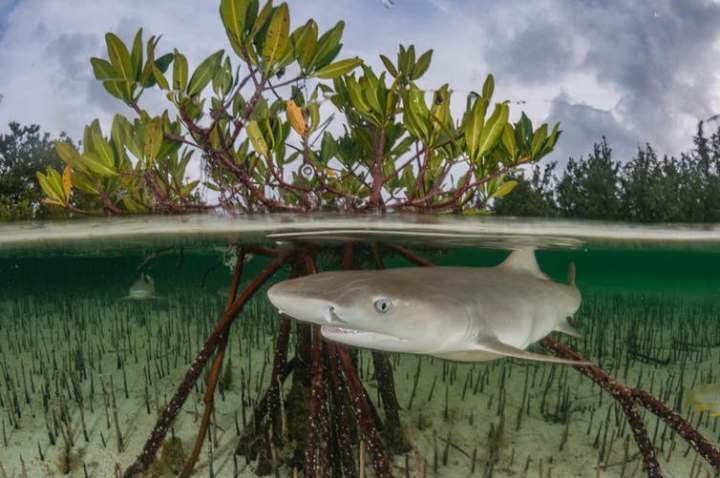
Michael Sievers, Griffith University; Rod Connolly, Griffith University, and Tom Rayner, Griffith University When we think of mangrove forests, seagrass meadows and saltmarshes, we don’t immediately think of shark habitats. But the first global review of links between large marine animals (megafauna) and coastal wetlands is challenging this view – and how we might respond [...]

Assessing Deltas in Canada: We all live downstream

Assessing Deltas in Canada: We all live downstream

By Tim Jardine NOTE: This is a guest article written by Dr Tim Jardine from the School of Environment and Sustainability and Toxicology Centre at the University of Saskatchewan. So I’ve heard it said. And there’s some truth to it. Unless you’re camped on the top of a mountain peak, you’re going to be downstream of [...]

Prey availability and flow conditions drive changes in barramundi abundance

Prey availability and flow conditions drive changes in barramundi abundance

By Mischa Turschwell Predator-prey interactions between fishes are important ecological processes that help maintain healthy populations and ecosystems. But often we don’t know if predators control prey numbers (top-down control) or if the number of prey available controls predator numbers (bottom-up control). We also don’t know how these interactions might change if environmental conditions like [...]