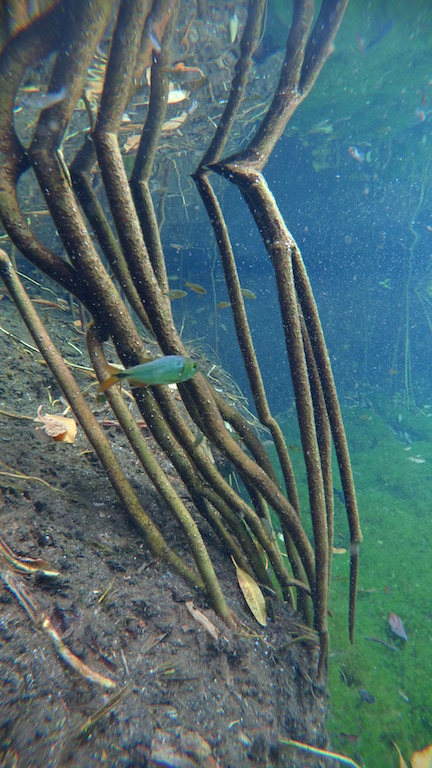
In the Paris Agreement, mangroves in Mexico were measured as terrestrial forests and the large stocks of carbon in their soils were not included.
Stories of science from the Australian Rivers Institute
In the Paris Agreement, mangroves in Mexico were measured as terrestrial forests and the large stocks of carbon in their soils were not included.
How many sources of water do you use on a daily basis? If you live in the developed world, chances are you only use one – a treated, piped, well-distributed source coming from a reservoir or groundwater reserve. In many parts of the developing world, these types of highly developed water resources are not available. [...]
In 2015, the United Nations new development goals, known as the Sustainable Development Goals (SDGs), were brought into effect (http://www.undp.org/content/undp/en/home/sustainable-development-goals.html). The SDGs seek to achieve substantial country-level improvements across 17 broad development goals. The aim is that by 2030, all countries will need to measure and report on their progress towards achieving 169 separate sustainable [...]

Migratory species face a double jeopardy from climate change

By Dr Wade Hadwen Australian Rivers Institute and Griffith Climate Change Response Program Anthropogenically-forced climate change represents a major challenge to both the human and natural world. Given the rate of change and the inertia in the global climate system, there is a pressing need to address the major challenges that climate change poses – [...]
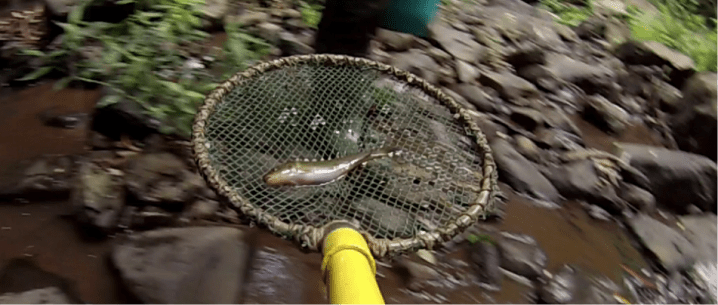
Locally threatened Northern River Blackfish are restricted to headwater habitats due to increasing stream temperatures

How trees can reveal secrets about past droughts and floods

Red-alerts for water safety were issued along the Murray River this summer restricting recreation use and affecting farmers and tourism.
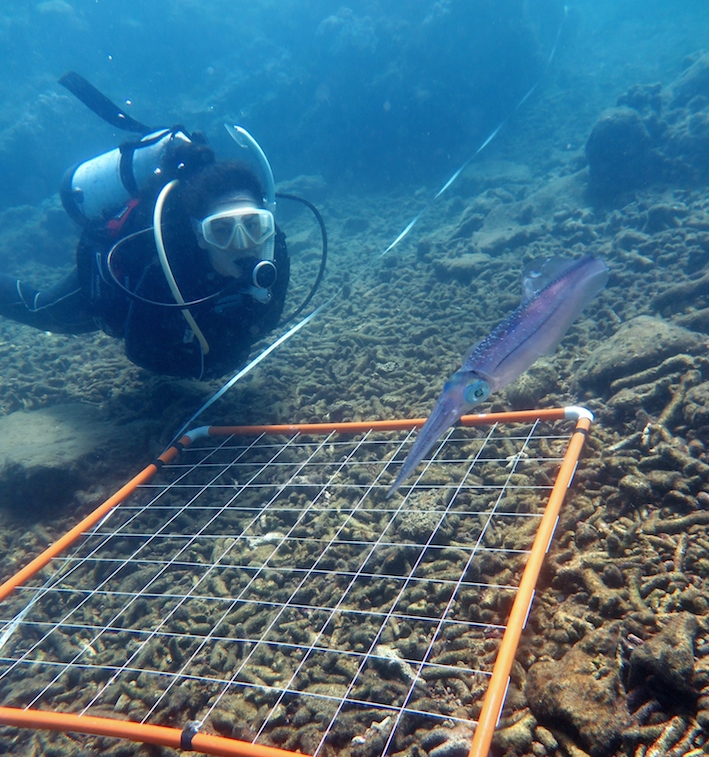
Southern fried corals: First reports of bleaching stress on Keppel Island reefs
Ocean animals are moving towards the poles in response to global warming, but are doing so at different speeds, explains Dr Chris Brown
 Catchment to Coast